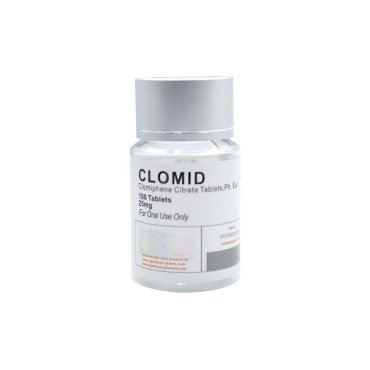
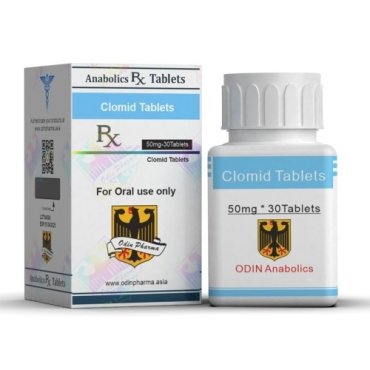
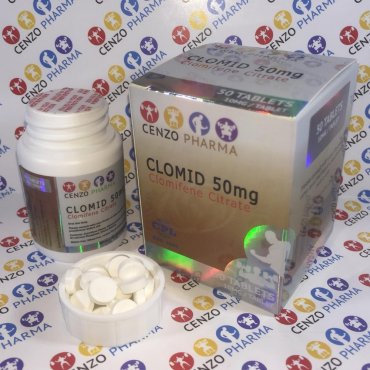
Clomid: An Overview of a Fertility Treatment
Clomid, scientifically known as Clomiphene Citrate, is a medication primarily used to treat infertility in women who have difficulty ovulating. This oral medication belongs to a class of drugs called selective estrogen receptor modulators. Its primary purpose is to stimulate ovarian function, thereby increasing the chances of conception for women struggling to achieve pregnancy. Clomid works by influencing hormonal signals that regulate the reproductive cycle, promoting the release of eggs from the ovaries. This medication is often favored for its ease of use, affordability, and efficacy in inducing ovulation.
Typical Users and Contexts for Clomid Use
The typical users of Clomid are women experiencing mild to moderate fertility issues, particularly those diagnosed with conditions such as polycystic ovary syndrome (PCOS) or hypothalamic amenorrhea. It is often prescribed to women who may have irregular menstrual cycles or have not been able to conceive after several cycles of unprotected intercourse. Clomid can also be used in certain contexts involving assisted reproductive technologies, where it may enhance the effectiveness of ovulation induction protocols.
In many cases, physicians recommend Clomid after a thorough evaluation of the patient's medical history and underlying conditions. This medication can be an initial treatment option due to its non-invasive nature and relatively low cost compared to other fertility treatments such as in-vitro fertilization (IVF). Users might also include those who haven’t been successful with other forms of fertility treatments or are looking for a less invasive method to help them conceive. The accessibility of Clomid, often available as a generic form, makes it a commonly chosen solution for many women experiencing fertility challenges.
Distinctive Features of Clomid
Clomid stands out from other fertility treatments due to its unique mechanism of action and administration. Unlike injectable hormone therapies that may require specific timing and clinical supervision, Clomid is an oral medication that can be taken in a home setting, providing greater convenience and comfort for users. It is often the first line of treatment for women with fertility issues due to its non-invasive nature and relatively lower cost compared to surgical methods or IVF.
Another distinguishing characteristic is its targeted approach to stimulating ovarian activity. Clomid selectively binds to estrogen receptors in the hypothalamus, effectively tricking the body into believing estrogen levels are low. This action stimulates the release of gonadotropin hormones from the pituitary gland, leading to the growth and release of eggs from the ovaries. Additionally, Clomid is well-researched with a substantial amount of data supporting its safety and effectiveness. When used appropriately, it yields positive outcomes for many women in their fertility journey.
Benefits of Clomid
- Improved Ovulation Rates: Clomid can significantly increase the likelihood of ovulation in women who have irregular cycles or conditions that disrupt normal ovulation.
- Cost-Effective: Compared to other fertility treatments, Clomid is relatively inexpensive, making it accessible to a broader range of patients.
- Easily Administered: As an oral medication, Clomid can be conveniently taken at home without the need for injections or frequent doctor visits.
- Well-Established Safety Profile: Extensive clinical research has established Clomid's effectiveness and safety when used correctly under medical supervision.
- Adjunct to Other Treatments: Clomid can be used in conjunction with other fertility treatments, enhancing the overall chances of conception.
Important Considerations Before Choosing Clomid
Before embarking on a treatment plan involving Clomid, it is crucial for potential users to consider several important factors. First, Clomid is not suitable for all women; it is contraindicated in cases of liver disease, uncontrolled adrenal disorders, and certain types of tumors that are hormone-sensitive. Additionally, women who are pregnant or suspect they may be pregnant should avoid Clomid, as it is not indicated for use during pregnancy.
It is also necessary to undergo a thorough evaluation by a healthcare professional who can assess individual health profiles and fertility needs. Discussing any history of ovarian cysts or other reproductive health concerns is essential as these may influence the suitability of Clomid. Furthermore, Clomid treatment may not be recommended for women who have already exceeded recommended cycles without achieving pregnancy, as extended use can increase the risk of adverse effects. Engaging in open communication with healthcare providers will ensure a successful and safe approach to using Clomid as a fertility treatment option.
Clomid price in BuySteroidsGroup online store
| Clomid 50mg Prime |
62.00€ |
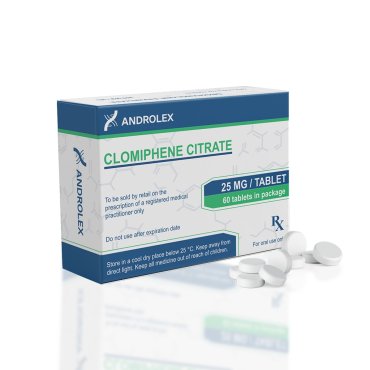
| Clomiphene Citrate Citrate 25mg Androlex |
59.00€ |
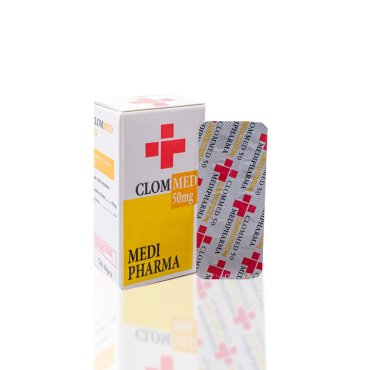
| ClomMed 50mg MediPharma |
36.00€ |
| Clomid 50mg Swiss Pharmaceuticals |
39.00€ |
| Clomid Stealth Labs |
106.00€ |
Frequently asked Questions (FAQ) - Clomid
We work only with pharmaceutical trusted producers, for example: Prime Pharmaceuticals Pvt. Ltd., Androlex, MediPharma.
You can buy Clomid in budget options for only 36.00 € up to premium options for 144.00 €.
The most popular products in category Clomid in 2026:
- Clomid 50mg Prime
- Clomiphene Citrate Citrate 25mg Androlex
- ClomMed 50mg MediPharma
- Clomid 50mg Swiss Pharmaceuticals
- Clomid Stealth Labs