
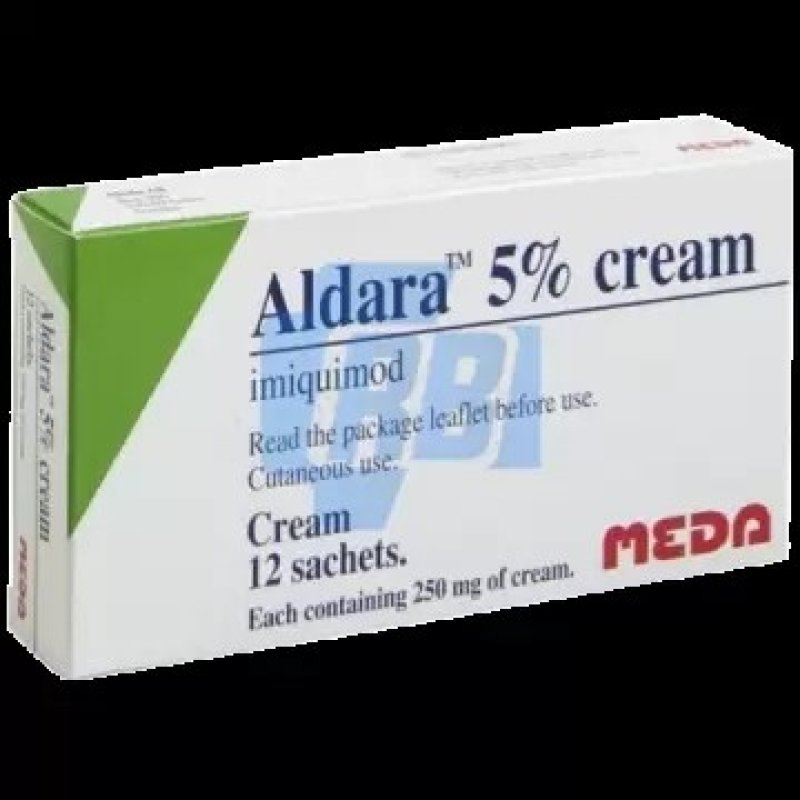
Aldara Meda Pharma: An Overview of Its Functionality and Characteristics
Aldara Meda Pharma is a topical pharmaceutical product that primarily functions as an immune response modifier. Its active ingredient, imiquimod, is known for its ability to stimulate the body’s immune system to combat specific skin conditions. What sets Aldara Meda Pharma apart is its targeted action, particularly in the treatment of superficial basal cell carcinoma, external genital warts, and superficial actinic keratosis. This product promotes localized immune reaction, helping to fend off virus-infected cells and delivering potent antiviral effects. Patients often recognize it for its versatility and effectiveness in dermatological applications.
One of the key characteristics of Aldara Meda Pharma is its ease of application—typically delivered in a cream form, it allows for direct treatment of affected areas. Users might appreciate the convenience and comfort, as the cream is usually applied directly to the skin, typically once a day for several weeks. Moreover, it is often well-tolerated, with side effects that are usually mild and manageable, such as localized reactions including redness or irritation. Overall, Aldara Meda Pharma stands as a leading choice in the pharmaceutical landscape due to its innovative approach to enhancing the body's natural defenses against skin abnormalities.
Types and Forms of Available Pharmaceutical Products
Aldara Meda Pharma is predominantly available in a cream format, which is categorized as a topical treatment. This simple application method facilitates easy use for patients and provides precise targeting of skin lesions. The cream is packaged in single-use sachets or tubes, making it both convenient and hygienic for everyday use. Depending on the medical condition being treated, the regimen may vary; for instance, external genital warts might require more frequent applications compared to actinic keratosis.
As part of its comprehensive product line, Aldara Meda Pharma may also be accompanied by other related dermatological solutions—though the cream itself remains the core offering. Patients should always follow their healthcare provider’s instructions regarding specific dosage and application timeline to achieve optimal results.
Why Choose Aldara Meda Pharma Over Other Treatments
Choosing Aldara Meda Pharma is advisable for individuals seeking a highly effective treatment option with a strong safety profile. Unlike many rivals in the market, Aldara Meda Pharma is unique in its immune-modulating properties, as it not only addresses the symptoms but also tackles the underlying causes by enhancing the immune system's response. This is significant when compared to standard topical treatments that may act solely as irritants or removers without stimulating an immune response.
Moreover, Aldara Meda Pharma is often preferred for its favorable side effect profile. While some medications might cause extensive skin irritation or systemic reactions, patients typically report tolerable side effects that do not deter from the overall treatment experience. Feedback from users also suggests that it results in effective outcomes, making it a trustworthy option for those managing chronic or recurrent skin issues.
In deciding on a treatment, individuals should weigh their specific medical conditions, personal efficacy experiences with other medications, and consult healthcare professionals to determine if Aldara Meda Pharma is the right fit for them. Its innovative formula and strong clinical backing make it a compelling option worthy of consideration.
Understanding Long-Term Effects and Safety Considerations
The long-term effects of using Aldara Meda Pharma are generally positive, with clinical studies indicating significant improvements in treated lesions over time. For conditions such as basal cell carcinoma and actinic keratosis, extended use of the cream has shown marked rates of clearance and reduced recurrence rates. However, like any medication, it is crucial to be mindful of the contraindications. Aldara Meda Pharma is not recommended for pregnant women or breastfeeding mothers due to potential adverse effects on the developing fetus or infant. Additionally, individuals under the age of 18, as well as those with specific medical conditions such as autoimmune disorders, should consult their healthcare providers before starting treatment.
Patients should be aware that excessive use or application on non-targeted areas can lead to heightened skin irritation or adverse effects. Monitoring skin reactions during treatment is essential for ensuring safety and effectiveness. Regular follow-ups with a healthcare provider can help assess progress and determine if continued use is appropriate.
Practical Guidelines for Using Aldara Meda Pharma Effectively
To maximize the benefits of Aldara Meda Pharma, proper use and adherence to guidelines are paramount. It is advisable to begin treatment under the guidance of a healthcare professional who can provide a detailed regimen tailored to individual needs. The key to effective use lies in applying a thin layer of the cream only to the affected area, avoiding any healthy surrounding skin to reduce irritation risk.
For optimal results, it's best to cleanse the treatment area before application and allow the cream to absorb fully—usually about eight hours before washing the area. Patients should avoid using other topical treatments in the same area unless directed by a healthcare provider, as this can interfere with the efficacy of Aldara Meda Pharma.
Consistency is crucial; following the prescribed schedule can greatly enhance treatment outcomes. If any unusual side effects occur, it is recommended to contact a healthcare professional immediately to discuss potential adjustments. With diligent use and care, Aldara Meda Pharma can be an effective ally for those seeking relief from skin conditions, fostering the path toward healthier skin.
| Features | |
| Also known as | Imiquimod cream |
| Blood pressure | No effect |
| Chemical name | 1-(2-methylpropyl)-1H-imidazo[4,5-c]quinolin-4-amine |
| Dosage (medical) | Apply topically to the affected area as per the prescription, usually 2 to 3 times per week |
| Dosage (sports) | Not applicable |
| Effects | Enhances local immune response to treat skin conditions |
| Formula | C14H16N4 |
| Half-life | Not applicable for topical administration (systemic absorption minimal) |
| Hepatotoxicity | Low risk (minimal systemic absorption) |
| Lab Test | None specific for monitoring Imiquimod |
| Main action | Induces immune response through Toll-like receptor 7 (TLR7) agonism |
| Side effects | Local skin irritation, redness, itching, flakiness, and in rare cases, systemic reactions |
| Storage conditions | Store at room temperature, away from moisture and heat |
| Substance class | Immune response modifier |
| Trade name | Aldara, Zyclara |
| Use in sports | None |
| Manufacturer | Meda Pharma |
| Packing | %5 krem |