
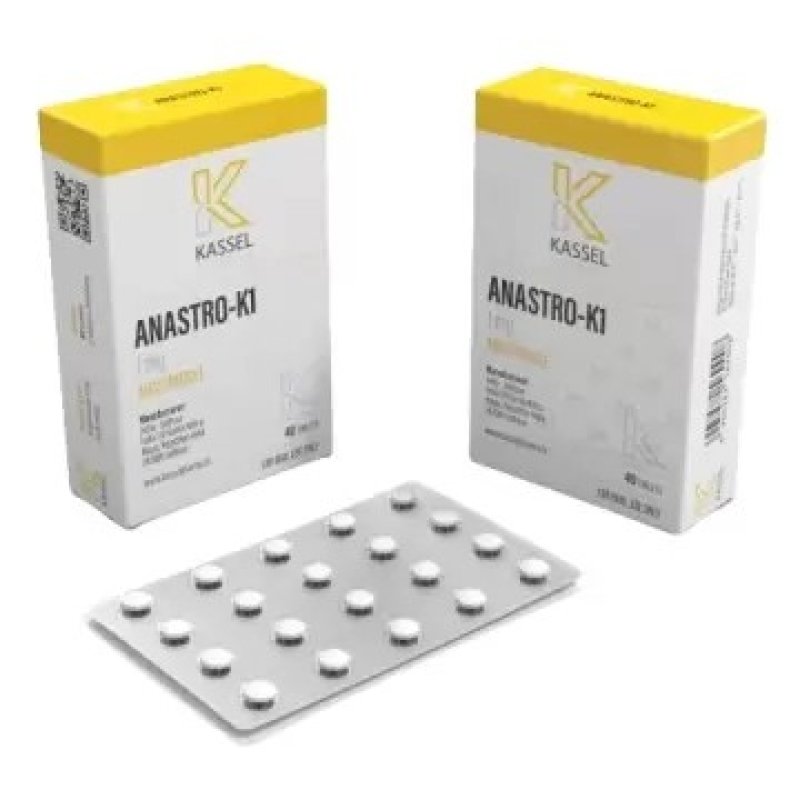
What Defines ANASTRO - K1 KASSEL
ANASTRO - K1 KASSEL is a pharmaceutical product that operates as an aromatase inhibitor, primarily utilized in the treatment of hormone-sensitive conditions such as certain types of breast cancer. This product is designed to impede the synthesis of estrogen in the body, thereby reducing the levels of this hormone that can fuel the growth of hormone-sensitive tumors. The fundamental principle of action for ANASTRO - K1 KASSEL lies in its ability to block the aromatase enzyme, which plays a critical role in converting androgens into estrogens. Key characteristics of this medication include a high degree of specificity and efficacy in estrogen suppression, making it particularly beneficial for postmenopausal women undergoing treatment for breast cancer. Additionally, it boasts a favorable safety profile when used as directed, underscoring its importance in oncology treatments.
Available Formats and Types
ANASTRO - K1 KASSEL is primarily available in tablet form, providing an easy and convenient route of administration for patients. The standard dosage is typically 1 mg taken once daily, though medical professionals may adjust this based on individual patient needs and treatment plans. In some instances, this product might be included in combination therapies, where it works synergistically with other anti-cancer medications to optimize treatment outcomes. Patients are advised to follow their healthcare provider's recommendations for dosage and duration of therapy to ensure the best results in managing their condition.
Key Differences of ANASTRO - K1 KASSEL
When comparing ANASTRO - K1 KASSEL to other related aromatase inhibitors, such as letrozole and exemestane, several key differences emerge. Firstly, the mechanism of action may vary slightly between these medications, impacting their effectiveness based on individual patient profiles. ANASTRO - K1 KASSEL has been shown to be effective in reducing estrogen levels while minimizing potential side effects associated with other treatments, such as joint pain or excessive bone loss. Furthermore, research indicates that ANASTRO - K1 KASSEL may have a superior long-term benefit in certain patient populations, particularly in those with more advanced stages of hormone-sensitive breast cancer. Users considering ANASTRO - K1 KASSEL should recognize its unique benefits, particularly if they have encountered adverse effects from other aromatase inhibitors.
Long-Term Effects and Prospects of Use
The long-term use of ANASTRO - K1 KASSEL can contribute to significant improvements in the prognosis for individuals with hormone-sensitive breast cancer. Many users report a reduction in disease recurrence rates, showcasing the effectiveness of the medication over time. However, it is essential to note that the use of ANASTRO - K1 KASSEL may not be suitable for everyone. Contraindications include pregnant women, as the medication can potentially harm fetal development, and nursing mothers who might pass the drug through breast milk. Additionally, individuals with specific medical conditions, such as liver impairment or those allergic to any ingredient in the formulation, should use this product with caution. Always consult healthcare professionals to ensure the suitability of this treatment.
Practical Advice for Using ANASTRO - K1 KASSEL
When considering the use of ANASTRO - K1 KASSEL, it is crucial for patients to start by consulting with their healthcare provider to establish a tailored treatment plan. This initial discussion should include a thorough medical history and a discussion of potential interactions with other medications. Patients should adhere strictly to the prescribed dosage without altering it unless directed by their physician. To facilitate optimal absorption, it's typically recommended to take ANASTRO - K1 KASSEL at the same time each day, which can also help in establishing a routine. Furthermore, patients should remain vigilant regarding side effects and communicate any concerns promptly to their healthcare team. This proactive approach can significantly enhance the effectiveness of ANASTRO - K1 KASSEL in managing their condition and lead to a better quality of life.
| Features | |
| Acne | No |
| Active Half-Life | 2 days |
| Active substance | Anastrozole |
| Also known as | Anastrol, Anastrozolo |
| Aromatization | No |
| Blood pressure | Can cause changes in blood pressure, monitor regularly |
| Chemical name | 2,2'-(5-(1H-1,2,4-triazol-1-ylmethyl)-1,3-phenylene)bis(2-methylpropanenitrile) |
| Classification | Non-steroidal aromatase inhibitor |
| Dosage | 0.5-1 mg/day |
| Dosage (medical) | 1 mg once daily |
| Dosage (sports) | Not officially recommended, varies widely, typically 0.5 mg to 1 mg every other day |
| Effects | Reduces estrogen levels, increases testosterone levels |
| Formula | C17H19N5 |
| Half-life | 46.8 hours |
| HBR | No |
| Hepatotoxicity | No |
| Lab Test | Monitors estrogen levels and liver function |
| Main action | Inhibits enzyme aromatase, reducing estrogen production |
| Raw Material | Anastrozole |
| Side effects | Hot flashes, joint stiffness or pain, weakness, sore throat, depression, nausea, and vomiting |
| Storage conditions | Store at room temperature away from moisture and heat |
| Substance class | Aromatase inhibitor |
| Trade name | Arimidex |
| Use in sports | Used to control estrogen levels and prevent gynecomastia in anabolic steroid users |
| Water Retention | No |
| Manufacturer | KASSEL |
| Packing | 40 TABS (1MG/TAB) |