
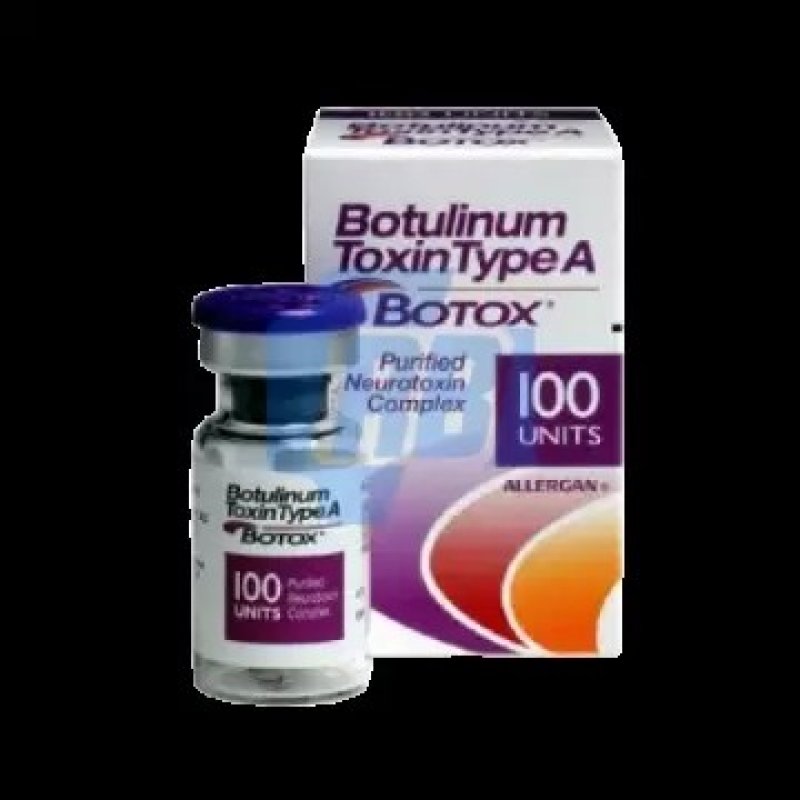
BOTOX 100 UNITS Pharma Grade: Defining Characteristics and Principles of Action
BOTOX 100 UNITS Pharma Grade is a highly purified formulation of botulinum toxin type A, developed specifically for medical and cosmetic applications. Recognized for its ability to temporarily relax muscles, BOTOX works by blocking the transmission of signals from the nerves to the muscles, thereby inhibiting contractions. This feature makes it highly effective for reducing the appearance of fine lines and wrinkles, particularly on the forehead, around the eyes, and between the brows.
The key characteristics of BOTOX include its pharmaceutical-grade purity, which ensures that it is safe for use in a clinical setting. This product undergoes rigorous testing and is manufactured under strict quality control standards to ensure optimal efficacy and safety. Each vial contains 100 units of the toxin, allowing for precise dosing tailored to the individual needs of each patient. The effects of BOTOX 100 UNITS can typically be seen within a few days following administration, with results lasting for several months.
Available Formats and Forms of BOTOX
BOTOX 100 UNITS Pharma Grade is primarily available in vial form, specifically designed for reconstitution prior to injection. Medical professionals typically reconstitute the powder with saline solution, enabling precise dosing that is essential for treatment accuracy. This reconstitution process allows practitioners to customize the dosage according to the patient's specific needs and the treatment area.
In addition to its standard vial format, BOTOX may also come in various packaging options that facilitate both single-use and multi-use applications. This flexibility ensures that healthcare practitioners can make the best use of the product without compromising its integrity or effectiveness. However, it is vital to understand that only licensed medical professionals should handle and administer BOTOX to avoid any potential complications.
Why Choose BOTOX 100 UNITS Pharma Grade Over Other Products?
When looking at options for muscle-relaxing agents, BOTOX 100 UNITS Pharma Grade stands out significantly when compared to alternative products such as Dysport or Xeomin. While all these substances have similar applications, BOTOX is recognized for its longer track record of safety and effectiveness in both cosmetic and therapeutic uses. Furthermore, many users report experiencing less resistance to future treatments after their initial use of BOTOX.
Another distinct advantage of BOTOX lies in its consistent results; patients often experience a more predictable outcome with this formulation. Its popularity is also endorsed by a substantial body of clinical research, which supports its efficacy and safety profile. Choosing BOTOX 100 UNITS Pharma Grade means opting for a trusted solution that has undergone extensive studies to affirm its capabilities in providing desired aesthetics and therapeutic solutions.
Long-Term Effects and Considerations for Use
The long-term effects of using BOTOX 100 UNITS Pharma Grade can vary depending on individual circumstances, including the area treated and the frequency of use. Most patients experience a gradual wearing off of the results over a period of three to six months, requiring subsequent treatments to maintain the desired effects. It's essential to remain informed about potential long-term outcomes, including the risk of developing tolerance with frequent use, where the efficacy may diminish over time.
However, certain groups may need to exercise caution or avoid BOTOX altogether. Pregnant women, nursing mothers, and individuals with specific health conditions, such as neurological disorders or allergies to any components in the formulation, should consult with a healthcare provider before considering this treatment. A thorough medical history review is crucial to determine whether BOTOX 100 UNITS Pharma Grade is an appropriate choice for an individual.
How to Choose and Use BOTOX 100 UNITS Pharma Grade Correctly
Choosing to use BOTOX 100 UNITS Pharma Grade involves several important considerations. First and foremost, it is crucial to consult with a qualified medical professional who has experience administering BOTOX injections. They will perform an in-depth assessment to discuss your treatment goals, medical history, and any contraindications that may apply to you.
| Features | |
| Also known as | Botox, onabotulinumtoxinA |
| Blood pressure | No significant effect |
| Chemical name | Botulinum toxin type A |
| Dosage (medical) | 20-100 units injected intramuscularly, depending on treatment area |
| Dosage (sports) | Not applicable |
| Effects | Reduces muscle activity, treats wrinkles, muscle spasms, and excessive sweating |
| Formula | C6760H10447N1743O2010S32 |
| Half-life | 2-6 months |
| Hepatotoxicity | No known hepatotoxic effects |
| Lab Test | Mouse bioassay for potency testing |
| Main action | Blocks the release of acetylcholine at neuromuscular junctions |
| Raw Material | BOTILIMUS TOXINE |
| Side effects | Pain at injection site, headache, muscle weakness, drooping eyelids, dysphagia, spread of toxin effects |
| Storage conditions | Refrigerated, 2-8В°C |
| Substance class | Neurotoxin |
| Trade name | Botox, Dysport, Xeomin |
| Use in sports | None, usage in sports would be considered misuse |
| Water Retention | No significant effect |
| Manufacturer | Pharma Grade |
| Packing | BOTOX 100 UNITS |