
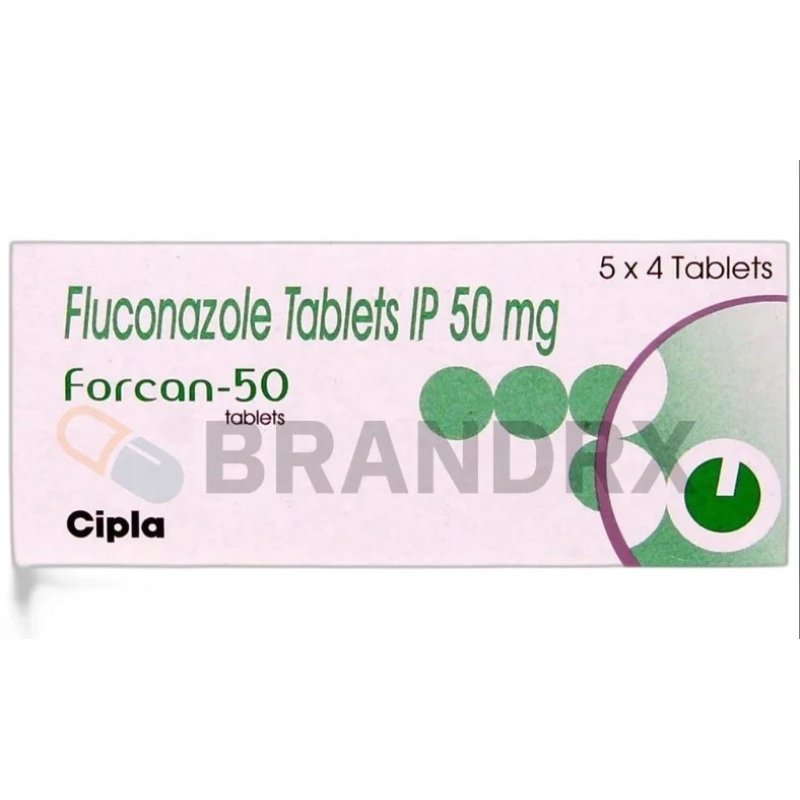
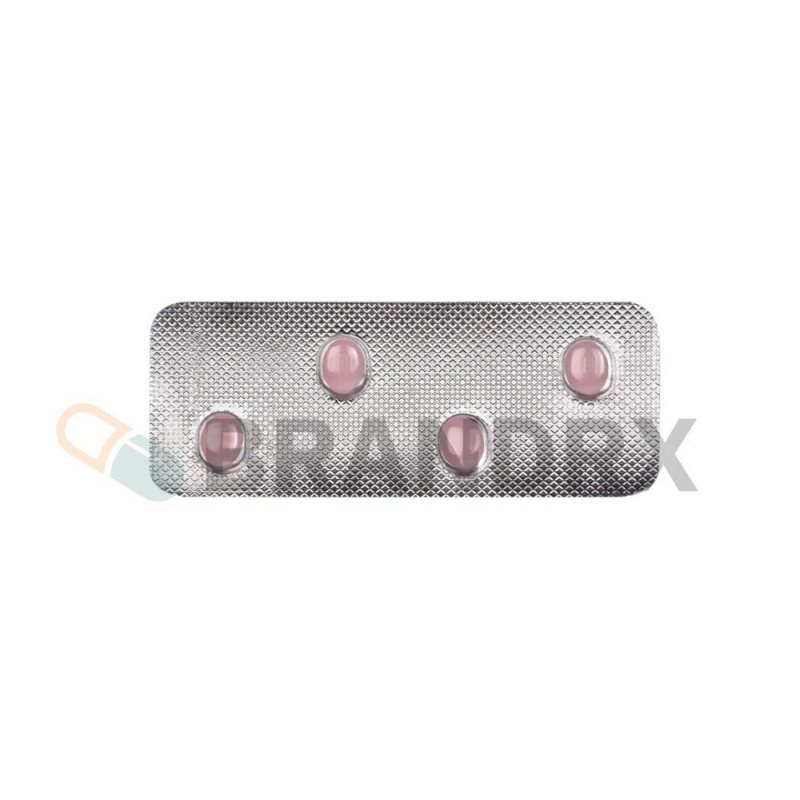
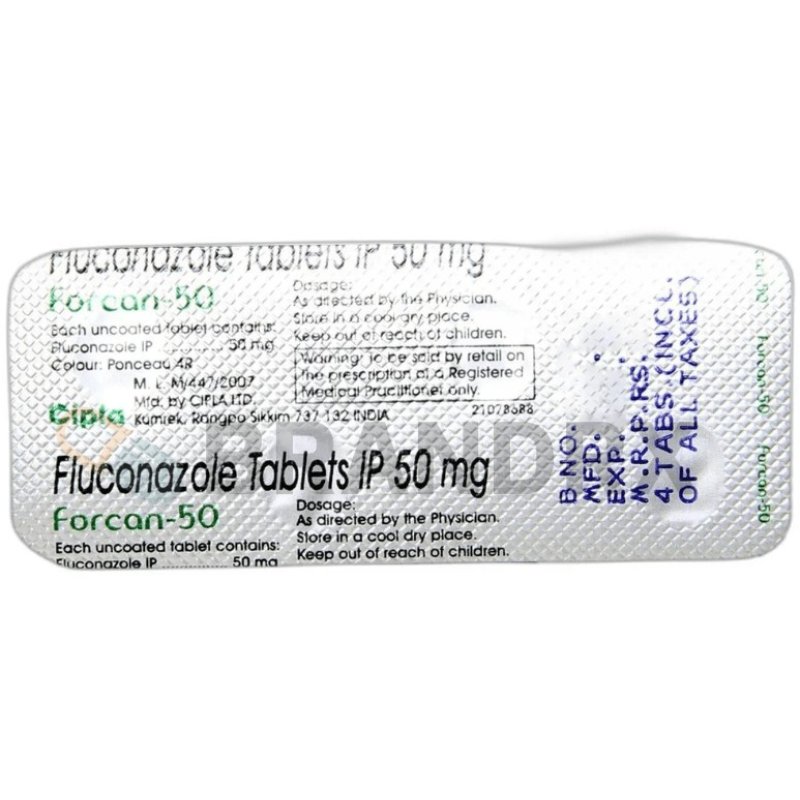
Understanding Forcan 50 mg Cipla
Forcan 50 mg Cipla is a highly effective antifungal medication that is primarily used to treat a variety of fungal infections. The active ingredient in Forcan is fluconazole, which works by inhibiting the growth of fungi. This mechanism of action disrupts the synthesis of fungal cell membranes, ultimately leading to cell death. One of the key features of Forcan 50 mg Cipla is its ability to penetrate deep tissues, allowing for effective treatment of systemic fungal infections as well as localized ones. Unlike other antifungals, Forcan has a favorable safety profile and can be used in a broad patient population, making it a valuable option in the treatment of candidiasis, cryptococcal meningitis, and other fungal infections.
Forms and Types of Release
Forcan 50 mg Cipla is available in various forms to cater to different patient needs. The most common form is oral tablets, which are easy to administer and allow for straightforward dosing. This form is ideal for outpatient treatment and long-term management of fungal infections. Additionally, fluconazole, the active ingredient, is also available as an injectable solution, making it suitable for patients who require immediate treatment in a hospital setting. Each form is designed to provide flexibility in treatment options, allowing healthcare providers to tailor the approach based on the specific needs of the patient.
Why Choose Forcan 50 mg Cipla?
When comparing Forcan 50 mg Cipla to other antifungal agents, several key differences stand out. Firstly, Forcan is characterized by its broad spectrum of activity, making it effective against a wide range of fungal pathogens. Unlike some antifungals that may only target specific types of fungi, Forcan offers comprehensive coverage, which is crucial for treating mixed infections. Furthermore, its pharmacokinetic properties allow for once-daily dosing in many cases, making it convenient for patients to adhere to treatment. This ease of use can significantly improve patient compliance compared to other treatments that may require more frequent dosing schedules. As a trusted brand by Cipla, Forcan combines efficacy, safety, and convenience, making it a formidable choice for anyone seeking effective antifungal therapy.
Long-Term Effects and Contraindications
Forcan 50 mg Cipla’s long-term use can lead to effective control over fungal infections, significantly improving the quality of life for many patients. However, it is important to consider specific contraindications to ensure safety. For instance, individuals who are pregnant or breastfeeding are generally advised against using Forcan, as its effects during these periods are not fully understood. Additionally, those with a history of hypersensitivity to fluconazole or any component of the medication should avoid its use. Patients with liver disease or those taking certain medications that can interact with fluconazole must also consult healthcare providers before starting treatment. Understanding these factors is essential for ensuring safe and effective use of Forcan in the long term.
Practical Advice for Using Forcan 50 mg Cipla
When selecting or starting to use Forcan 50 mg Cipla, it is crucial to follow healthcare provider recommendations for appropriate dosage and duration of treatment. Patients should provide their medical history and current medications to their healthcare providers to avoid potential interactions. Starting with the lowest effective dose may be advisable to minimize the risk of side effects while maximizing its antifungal efficacy. It is also essential for users to remain vigilant about monitoring their symptoms and reporting any adverse reactions to their healthcare provider promptly. By understanding the importance of adherence to treatment and proactive communication with their provider, patients can significantly enhance the effectiveness of Forcan 50 mg Cipla and achieve better health outcomes.
| Features | |
| Also known as | Fluconazole |
| Blood pressure | No significant effect on blood pressure |
| Chemical name | 2-(2,4-Difluorophenyl)-1,3-bis(1H-1,2,4-triazol-1-yl)propan-2-ol |
| Dosage (medical) | Typically 150 mg to 400 mg daily depending on the condition being treated |
| Dosage (sports) | Not applicable |
| Effects | Effective against fungal infections |
| Formula | C13H12F2N6O |
| Half-life | 30 hours |
| Hepatotoxicity | Possible, particularly in patients with pre-existing liver disease |
| Lab Test | Liver function tests may be monitored during treatment |
| Main action | Inhibits the synthesis of fungal cell membrane |
| Side effects | Headache, nausea, dizziness, stomach pain |
| Storage conditions | Store at room temperature away from moisture and heat |
| Strength | 50 mg |
| Substance class | Antifungal |
| Trade name | Diflucan |
| Use in sports | Not typically used in sports |
| Water Retention | No significant effect on water retention |
| Manufacturer | Cipla |