
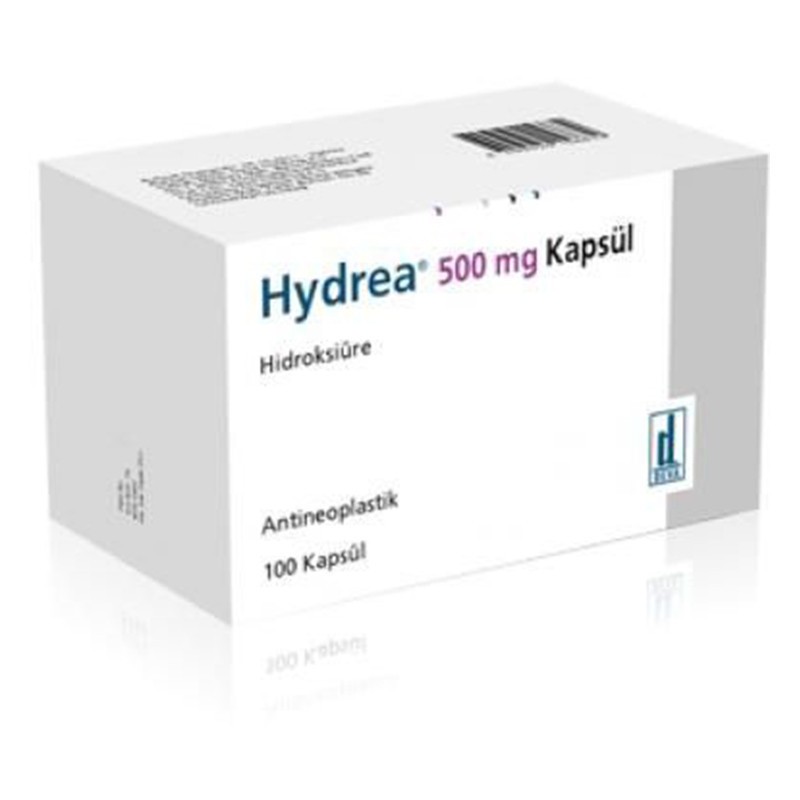
Hydrea 500 Deva: Overview and Functionality
Hydrea 500 Deva is a pharmaceutical agent that primarily functions as an antineoplastic medication, often employed in the treatment of various cancers. The active ingredient in Hydrea, hydroxyurea, is designed to inhibit the proliferation of cancer cells by interfering with their ability to synthesize DNA. This mechanism makes it an essential component in chemotherapy regimens for certain types of cancers, including chronic myeloid leukemia and ovarian cancer. Additionally, Hydrea may be utilized in conditions like sickle cell disease to reduce the frequency of painful crises and the need for blood transfusions. As a potent medication, it is crucial to understand its usage and to ensure it aligns with your specific health requirements.
Common Situations and Goals for Use
Individuals often seek out Hydrea 500 Deva in various circumstances. Many patients diagnosed with specific cancers turn to this medication as a part of their treatment plan, aiming to slow down disease progression, manage symptoms, or enhance their overall quality of life. Additionally, those experiencing frequent sickle cell crises may find relief through the use of this medication, as it serves to lessen the severity and frequency of episodes. It is important to note that before initiating any treatment with Hydrea, obtaining professional medical consultation is crucial. A healthcare provider can evaluate your individual situation, consider potential interactions, and tailor a regimen that is safe and effective.
Is Hydrea 500 Deva Right for You?
To determine if Hydrea 500 Deva is suitable for your treatment, consider the following factors. This medication may be appropriate based on various criteria including but not limited to:
- Diagnosis of specific cancers where Hydroxyurea has shown effectiveness.
- Experiencing frequent painful crises due to sickle cell disease.
- Willingness to adhere to a prescribed medical regimen and follow-up appointments.
- Presence of health conditions that warrant the use of antineoplastic agents.
- Consultation and recommendation from a qualified healthcare professional.
If you meet several of these criteria, it is advisable to discuss the possibility of using Hydrea 500 Deva with your healthcare provider. They will consider your unique medical history and current health status in their evaluation.
Key Considerations in Choosing Hydrea 500 Deva
When considering Hydrea 500 Deva for treatment, it is essential to focus on several critical factors. First, be aware of the contraindications associated with this medication. It is not recommended for use in pregnant women, as it may pose risks to fetal development. Children and individuals with specific pre-existing health conditions, such as severe blood disorders, may also be advised against its use. Furthermore, potential interactions with other medications must be considered, as they can affect the therapy's efficacy or lead to adverse effects. Always consult with your healthcare provider to understand any possible risks and to ensure that Hydrea is a suitable option for your condition. This careful consideration will promote your safety and enhance the effectiveness of your treatment plan.
Summary of Hydrea 500 Deva and Next Steps
In summary, Hydrea 500 Deva is a significant pharmacological tool in the treatment of certain cancers and the management of sickle cell disease. Its ability to control disease progression and alleviate symptoms makes it an important medication for many patients. Before starting treatment, it is imperative to conduct a thorough consultation with a healthcare professional to confirm its suitability and address any potential concerns. If you believe Hydrea 500 Deva may align with your health goals, we encourage you to browse our available options. Make sure to follow through with the necessary medical guidance to optimize your health outcomes.
| Features | |
| Acne | No |
| Active substance | Hydroxycarbamide |
| Also known as | Quinol, 1,4-benzenediol |
| Aromatization | No |
| Blood pressure | No significant effect |
| Chemical name | Hydroquinone |
| Dosage (medical) | Topically, 2-4% concentration, applied 1-2 times daily |
| Dosage (sports) | Not applicable |
| Effects | Reduces the production of melanin in the skin |
| Formula | C6H6O2 |
| Half-life | 1-2 hours |
| HBR | No |
| Hepatotoxicity | No |
| Lab Test | Not routinely required for medical use |
| Main action | Skin lightening |
| Side effects | Skin irritation, allergic reactions, possible increased risk of skin cancer with prolonged use |
| Storage conditions | Store at room temperature away from light and moisture |
| Substance class | Phenol derivative |
| Trade name | Eldoquin, Melanex |
| Use in sports | None |
| WAREHOUSE | International Warehouse 2 |
| Water Retention | No |
| Manufacturer | DEVA |