
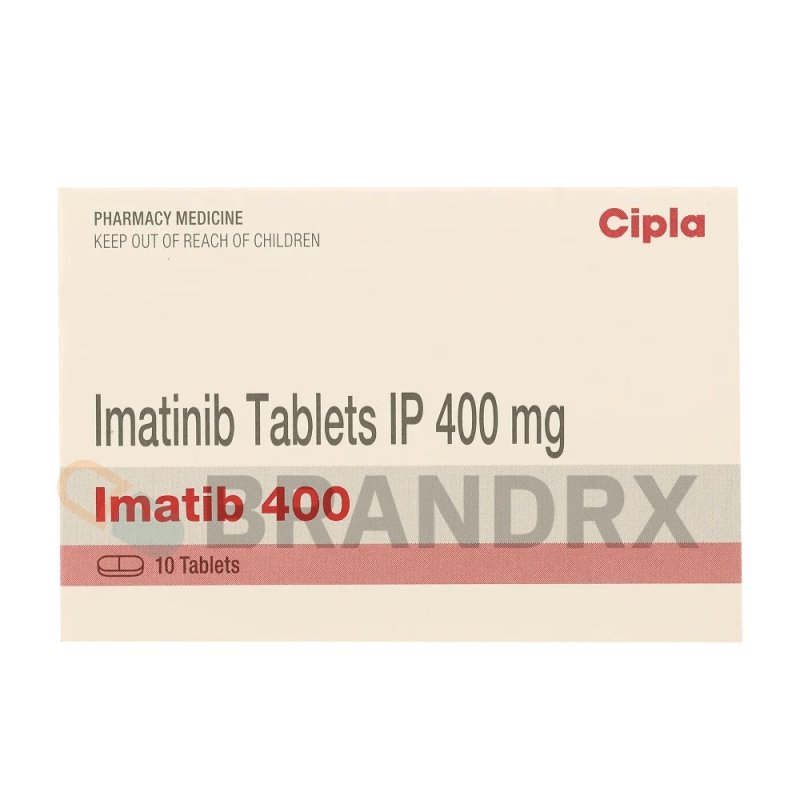
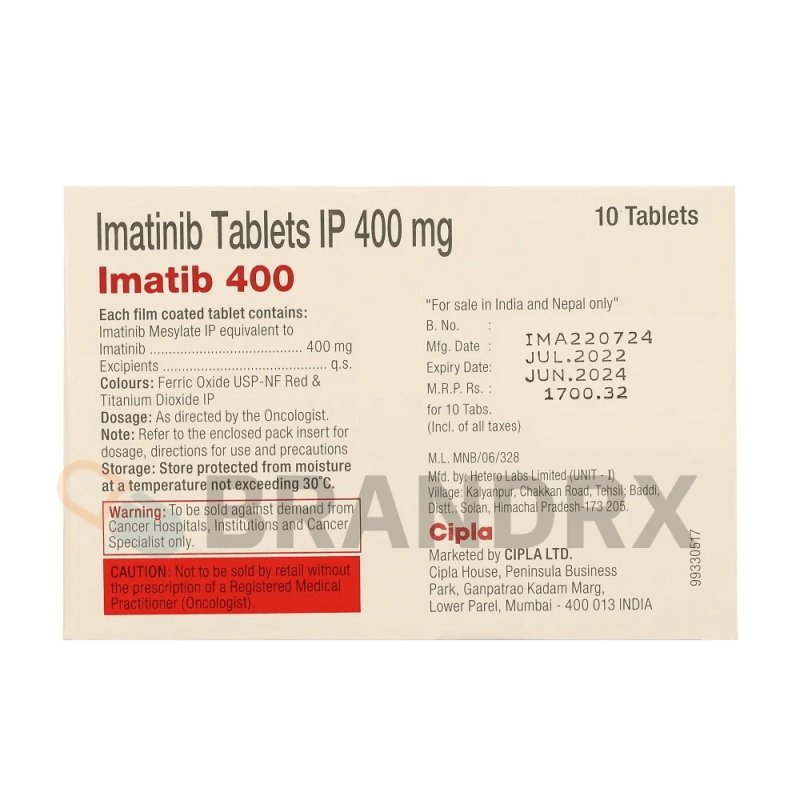

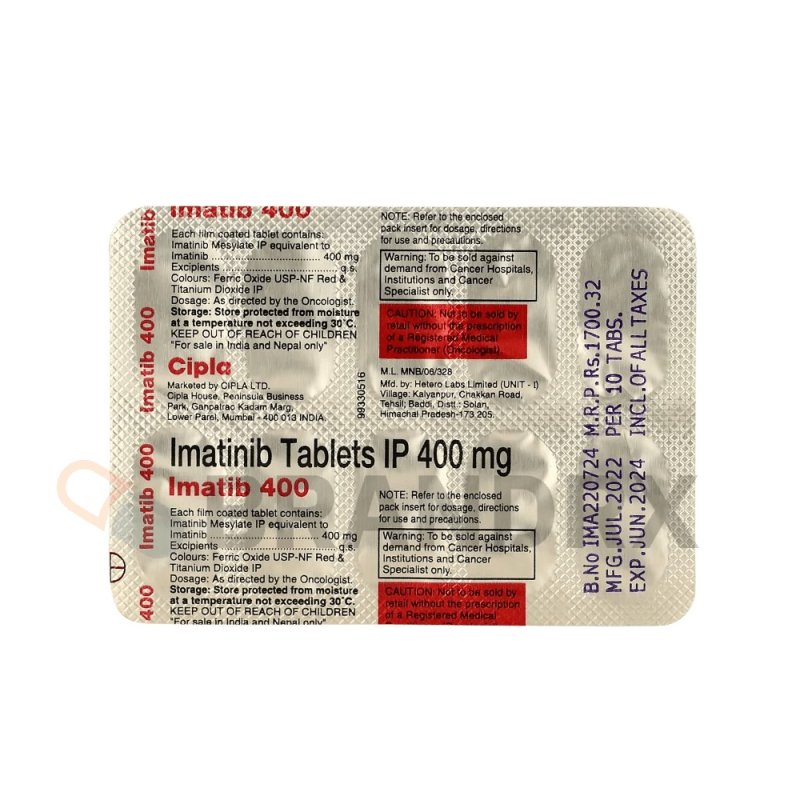
Imatib 400 mg Cipla: A Comprehensive Overview
Imatib 400 mg Cipla is a targeted therapy drug primarily used in the treatment of certain cancers, including chronic myeloid leukemia (CML) and gastrointestinal stromal tumors (GIST). As a member of a class of medications known as tyrosine kinase inhibitors, Imatib works by interfering with the growth of cancer cells. The main task it addresses is to inhibit the activity of specific enzymes that are essential for the growth and proliferation of these harmful cells, thereby helping to control the disease and improve the quality of life for patients. Its efficacy and unique mechanism of action make it a vital option in modern oncology, offering hope for better management of these challenging conditions.
Intended Audience and Application Areas
Imatib 400 mg Cipla is specifically designed for adult patients diagnosed with chronic myeloid leukemia and gastrointestinal stromal tumors. The target audience primarily includes individuals who have been identified with these conditions by healthcare professionals. It is commonly used in hospital settings or specialty clinics specializing in oncology. Consultation with a doctor or specialist is essential prior to using this medication, as they can determine the appropriateness of Imatib based on individual patient health profiles.
It is crucial to note that Imatib is generally not suitable for pregnant or breastfeeding women, as it may pose risks to the unborn child or nursing infant. Additionally, individuals with certain medical conditions, such as severe liver impairment or infections, should approach this treatment with caution. Understanding these contraindications helps ensure patient safety and the effective use of this medication.
Key Benefits of Imatib 400 mg Cipla
Imatib 400 mg Cipla offers several key benefits, making it a suitable treatment option for specific groups of patients. It is particularly recommended for individuals who have chronic myeloid leukemia in the chronic phase, as well as those with unresectable or metastatic gastrointestinal stromal tumors. This medication is beneficial for patients who have shown resistance to previous treatments or those looking for targeted therapies that minimize damage to healthy cells.
Furthermore, it may also benefit patients looking for a treatment with a manageable side effect profile in comparison to traditional chemotherapy. By targeting specific pathways involved in cancer growth, Imatib helps improve treatment outcomes and enhance overall survival rates for patients, making it a cornerstone in the management of these malignancies.
Key Advantages and Main Value to Users
The value of Imatib 400 mg Cipla lies in its ability to address complex medical needs in oncology with precision and effectiveness. One of the main advantages is its targeted nature, which can lead to fewer side effects compared to conventional chemotherapy. This means that patients can experience better tolerability and quality of life during their treatment journey.
In addition to its tolerability, Imatib provides significant clinical benefits, including improved disease management and longer progression-free survival when used appropriately. For those grappling with chronic myeloid leukemia or gastrointestinal stromal tumors, the use of Imatib represents a significant advancement in the fight against cancer. Patients can find hope in treatment plans that incorporate this drug, which has the potential to drastically improve their health outcomes and overall well-being.
In summary, Imatib 400 mg Cipla serves as a crucial solution in the realm of cancer treatment, providing targeted therapy with a promise for better management of chronic myeloid leukemia and gastrointestinal stromal tumors. Its effectiveness, appropriate patient targeting, and manageable side effects make it a vital option for those in need of advanced oncological care.
| Features | |
| Active substance | Imatinib |
| Also known as | STI571 |
| Blood pressure | Can cause changes in blood pressure, monitoring advised |
| Chemical name | 4-[(4-Methyl-1-piperazinyl)methyl]-N-[4-methyl-3-[[4-(3-pyridinyl)-2-pyrimidinyl]amino]phenyl]benzamide |
| Dosage (medical) | Typically 400-800 mg per day, depending on the condition being treated |
| Dosage (sports) | Not applicable as it is not used for performance enhancement |
| Effects | Treats certain types of cancer by blocking the action of the abnormal protein that signals cancer cells to multiply |
| Formula | C29H31N7O |
| Half-life | Approximately 18 hours |
| Hepatotoxicity | Low, but liver function tests are recommended |
| Lab Test | Monitoring of complete blood counts and liver function tests are advised |
| Main action | Inhibits the Bcr-Abl tyrosine kinase |
| Side effects | Nausea, vomiting, edema, muscle cramps, musculoskeletal pain, diarrhea, rash, fatigue, abdominal pain |
| Storage conditions | Store at room temperature, away from moisture and heat |
| Strength | 400mg |
| Substance class | Tyrosine kinase inhibitor |
| Trade name | Gleevec (USA), Glivec (Europe and Australia) |
| Use in sports | None, not used as a performance-enhancing drug |
| Water Retention | Yes, can cause fluid retention |
| Manufacturer | Cipla Ltd. |
| Packing | 10 tabs/blister |