
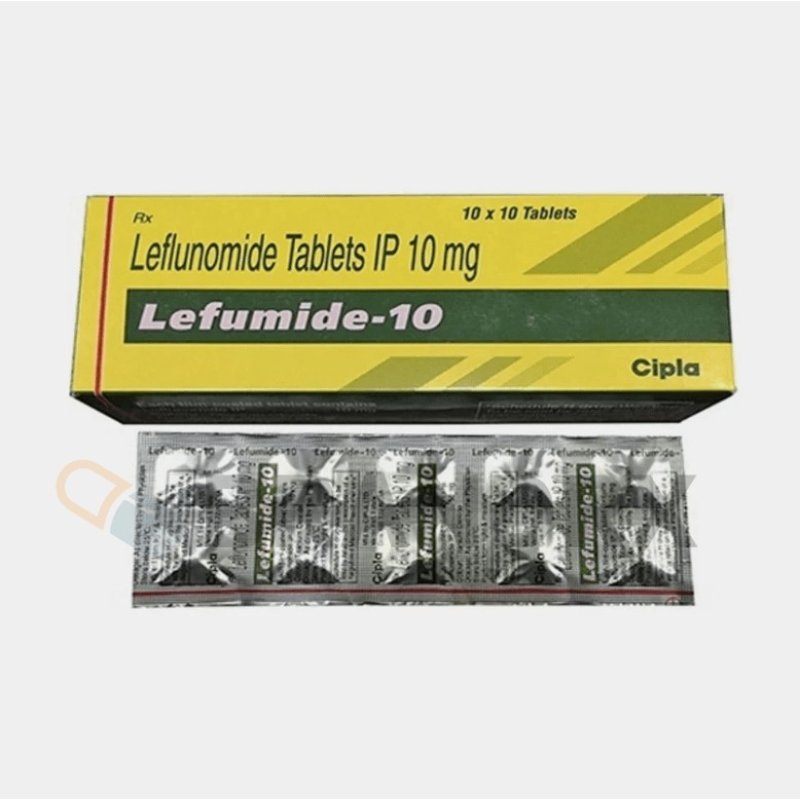
Lefumide 10 mg Cipla: An Overview of Its Functionality and Key Features
Lefumide 10 mg Cipla is a well-known pharmaceutical product primarily used in the treatment of autoimmune diseases, particularly rheumatoid arthritis. Its active ingredient, leflunomide, operates by inhibiting the proliferation of lymphocytes, which play a critical role in the inflammation process associated with these conditions. By modulating the underlying immune response, Lefumide effectively reduces joint pain, swelling, and progressive damage to the joints.
This medication is notable for its long half-life, allowing for once-daily dosing, which can enhance adherence to therapy for patients. Its formulation typically comes in the form of oral tablets, making it accessible and easy to use. Additionally, Lefumide 10 mg Cipla has shown to improve the quality of life for individuals suffering from chronic autoimmune conditions, providing relief where other treatments may have failed.
Available Forms and Administration of Lefumide
Lefumide 10 mg Cipla is primarily available in tablet form, which is the most common and convenient method of administration. These tablets are designed for oral consumption, with a specific focus on ensuring stability and bioavailability of the active ingredient. There are other formulations of leflunomide available on the market, but the 10 mg dosage offered by Cipla is particularly popular among healthcare providers due to its optimal balance of efficacy and tolerability.
Patients are usually advised to take Lefumide consistently at the same time each day to maintain steady levels of the medication in the bloodstream. It’s crucial to adhere to the prescribed dosage to maximize the therapeutic effects while minimizing potential side effects. Medical professionals may also assess the patient's response over time, adjusting the dose if necessary, based on individual health needs.
Key Differences and Unique Advantages of Lefumide 10 mg Cipla
When comparing Lefumide 10 mg Cipla to other treatments for rheumatoid arthritis and similar conditions, a few notable differences emerge. First and foremost, Lefumide's mechanism of action sets it apart; while many competitors work primarily as NSAIDs or corticosteroids, Lefumide directly targets the immune system's activity by inhibiting the specific enzyme responsible for lymphocyte proliferation. This targeted approach not only addresses active inflammation but also works towards modifying disease progression.
Moreover, Lefumide typically presents fewer gastrointestinal side effects compared to some conventional treatments, making it a suitable choice for long-term management. Additionally, its once-daily dosing schedule can significantly enhance patient adherence, which is a critical factor in managing chronic conditions. As a result, users may enjoy a more manageable treatment regimen alongside effective disease control.
Long-Term Effects, Contraindications, and Suitability
The long-term use of Lefumide 10 mg Cipla can yield beneficial outcomes in managing symptoms of autoimmune disorders, including reduction in joint pain and prevention of further damage. However, there are important considerations regarding its use. This medication is generally not recommended for pregnant women due to potential risks to fetal development. Additionally, individuals with significant liver dysfunction, active infections, or those who are hypersensitive to leflunomide should avoid this treatment.
Patients should also be aware of potential side effects that may arise with prolonged use, including liver enzyme elevation and other hematological changes. Regular monitoring by a healthcare provider is essential to ensure safe use. Furthermore, since Lefumide can affect immune response, those with compromised immune systems should consult their doctors prior to starting this medication.
Guidance for Initiating Lefumide 10 mg Cipla
For individuals considering Lefumide 10 mg Cipla, it is crucial to consult with a healthcare provider to discuss your specific health conditions and potential interactions with other medications. Begin by having an open dialogue about your symptoms, previous treatments that may or may not have worked, and any concerns you may have regarding side effects or contraindications.
Your doctor will often start with the lowest effective dose, monitoring your response and making necessary adjustments. It’s equally important to have regular follow-up appointments to assess effectiveness and check for any adverse effects. In lifestyle terms, maintaining a healthy regimen, including a balanced diet and appropriate exercise, can complement the treatment and enhance overall outcomes. Education and ongoing communication with your healthcare provider will empower you to use Lefumide most effectively in managing your condition.
| Features | |
| Also known as | SU101, Arava |
| Blood pressure | Can cause hypertension |
| Chemical name | 5-methylisoxazole-4-carboxylic acid 2-cyano-3-hydroxy-N-(4-(trifluoromethyl)phenyl)butylamide |
| Dosage (medical) | Typically 100 mg daily for three days, then reduced to 10-20 mg daily |
| Dosage (sports) | Not applicable |
| Effects | Reduces inflammation and slows disease progression in rheumatoid arthritis and psoriatic arthritis |
| Formula | C12H9F3N2O2 |
| Half-life | Approximately 14-18 days |
| Hepatotoxicity | Yes, potential for significant liver injury, requires regular liver function tests |
| Lab Test | Liver function tests, complete blood count |
| Main action | Inhibits the mitochondrial enzyme dihydroorotate dehydrogenase, leading to a reduction in pyrimidine synthesis and modulation of the immune system |
| Side effects | Diarrhea, respiratory infections, hair loss, rash, hypertension, and liver toxicity |
| Storage conditions | Store at room temperature away from moisture and heat |
| Strength | 10 mg |
| Substance class | Disease-modifying antirheumatic drug (DMARD) |
| Trade name | Arava |
| Use in sports | None, as it is not performance-enhancing |
| Water Retention | Minimal to none |
| Manufacturer | Cipla |