
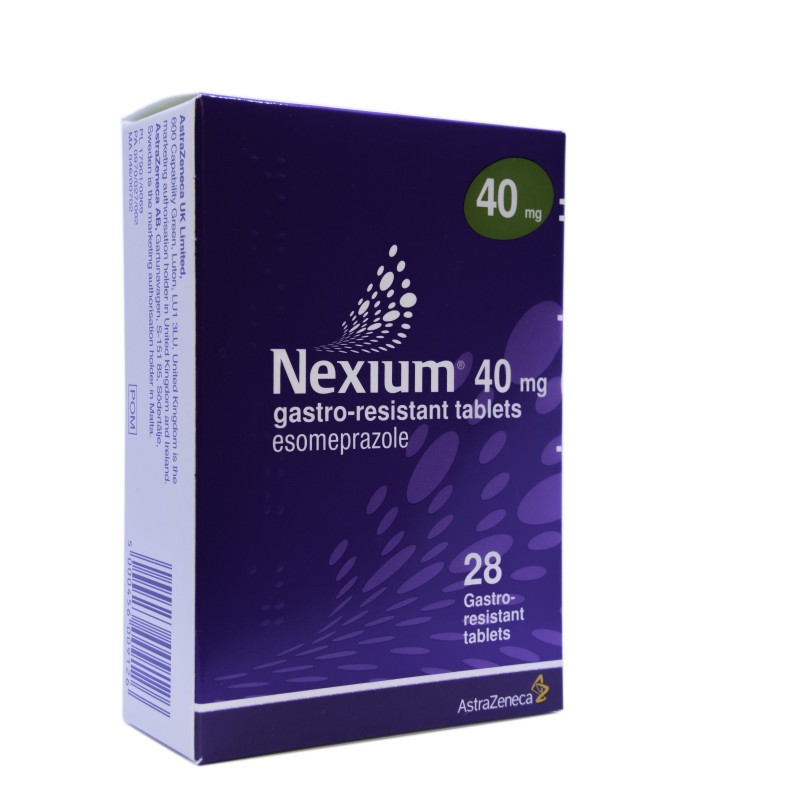
Nexium 40 AstraZeneca: Understanding Its Mechanism and Key Features
Nexium 40 AstraZeneca, a medication primarily prescribed for the treatment of gastroesophageal reflux disease (GERD) and other acid-related disorders, is known for its potent ability to reduce stomach acid production. The active ingredient, esomeprazole, belongs to the class of drugs known as proton pump inhibitors (PPIs). By inhibiting the proton pump in the stomach lining, Nexium effectively blocks the secretion of gastric acid, contributing to alleviating symptoms such as heartburn, regurgitation, and difficulty swallowing.
This formulation of Nexium is characterized by its enteric-coated delayed-release capsules, which ensure that the medication is absorbed optimally in the intestines rather than the stomach, maximizing its effectiveness while minimizing potential side effects. With a typical dosage of 40 mg, Nexium 40 AstraZeneca offers a targeted approach to managing acid-related conditions, making it a reliable choice for many patients seeking relief from discomfort.
Forms of Release for Effective Treatment
Nexium 40 AstraZeneca is predominantly available as enteric-coated delayed-release capsules, which are designed for oral administration. This specific form allows the medication to bypass the stomach and dissolve in the intestines, ensuring optimal absorption and efficacy. The delayed-release mechanism provides a steady release of the active ingredient over time, which can be particularly beneficial for those needing prolonged relief from symptoms associated with excessive acid production.
In addition to the capsules, Nexium is also available in a powder form for suspension, which can be particularly useful for patients who may have difficulty swallowing pills or for pediatric patients. This flexibility in formulation ensures that Nexium can cater to a wide range of patient needs, helping to improve compliance and treatment outcomes.
Why Choose Nexium 40 AstraZeneca Over Other Options
The main differentiator for Nexium 40 AstraZeneca compared to other PPIs is its unique formulation and proven efficacy. While there are several other medications available that target acid reduction, Nexium’s specific combination of esomeprazole has been shown in clinical studies to provide faster and more effective relief of GERD symptoms for many patients.
Moreover, its delayed-release design contributes to its effectiveness by significantly reducing the chance of stomach irritation. Patients often report experiencing fewer side effects with Nexium compared to other acid suppressants, making it a compelling choice for those who are sensitive to such treatments.
In addition to its effectiveness, Nexium is often recommended as a first-line therapy by healthcare professionals due to its strong safety profile and the extensive research backing its use. This means that many patients can trust Nexium to be a reliable treatment option based on clinical evidence.
Long-Term Effects and Contraindications
While Nexium 40 AstraZeneca can provide essential relief from symptoms, its long-term use should be approached with caution. Extended utilization of PPIs like Nexium has been associated with certain risks, including decreased magnesium levels, potential kidney issues, and an increased risk of gastrointestinal infections. It is crucial for patients to regularly consult with healthcare providers during long-term treatment to monitor their health status and make necessary adjustments in therapy.
There are specific contraindications for those considering Nexium. Pregnant women, especially during their first trimester, should avoid using this medication unless specifically directed by a healthcare professional. Additionally, patients with known hypersensitivity to esomeprazole or any of its components should refrain from using this medication. It is also not recommended for use in children under 12 years without medical advice. Patients with certain chronic conditions, such as liver disease, should discuss their medical history with a healthcare provider to assess the safety and suitability of Nexium for their condition.
Advice on Selecting and Using Nexium 40 AstraZeneca
When considering Nexium 40 AstraZeneca, it is essential to follow a healthcare provider’s recommendations. Patients should start with the prescribed dosage and not exceed the recommended amount without consulting a physician. It is advisable to take the medication at least one hour before meals for optimal absorption.
Patients should also keep track of their symptoms and discuss any changes or concerns with their healthcare provider during routine follow-ups. Monitoring improvements or any potential side effects can help in adjusting the treatment plan to better meet individual health needs.
Moreover, lifestyle modifications such as dietary changes, weight management, and avoiding trigger foods can enhance the effectiveness of Nexium in alleviating symptoms. Engaging in these practices alongside medication can offer patients a more holistic approach to their treatment and overall well-being.
| Features | |
| Acne | No |
| Active substance | Esomeprazole |
| Also known as | Esomeprazole magnesium |
| Aromatization | No |
| Blood pressure | No significant effect |
| Chemical name | (S)-5-Methoxy-2[[(4-methoxy-3,5-dimethyl-2-pyridinyl)methyl]sulfinyl]-1H-benzimidazole |
| Dosage (medical) | 20-40 mg daily |
| Dosage (sports) | Not applicable |
| Effects | Decreases gastric acid secretion, increases gastric pH |
| Formula | C17H19N3O3S |
| Half-life | 1-1.5 hours |
| HBR | No |
| Hepatotoxicity | No |
| Lab Test | Not specific |
| Main action | Reduces stomach acid production by blocking the enzyme system of gastric parietal cells |
| Side effects | Headache, diarrhea, nausea, flatulence, abdominal pain, constipation, dry mouth |
| Storage conditions | Store at room temperature, keep away from moisture and heat |
| Substance class | Proton pump inhibitor |
| Trade name | Nexium |
| Use in sports | Not typically used |
| WAREHOUSE | International Warehouse 2 |
| Water Retention | No |
| Manufacturer | AstraZeneca |