
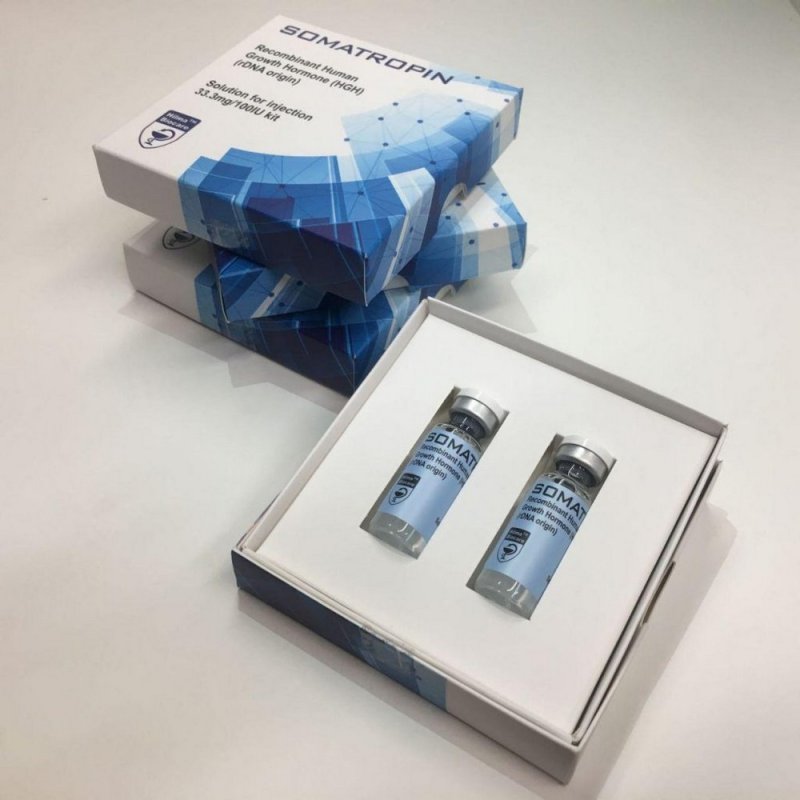
Define Somatropin Pharmaceutical and Explain Its General Purpose
Somatropin Pharmaceutical refers to a synthetic form of human growth hormone (HGH), which plays a critical role in various physiological functions, including growth and metabolism. This pharmaceutical preparation is primarily used for the treatment of growth hormone deficiency disorders, including conditions associated with insufficient natural growth hormone production either in children or adults. Somatropin is derived from recombinant DNA technology, making it a bioidentical replacement for the hormone naturally produced by the pituitary gland.
In children, Somatropin Pharmaceutical may be indicated for various growth-related issues, including idiopathic short stature, Turner syndrome, Prader-Willi syndrome, chronic kidney disease, and muscle-wasting diseases associated with HIV/AIDS. In adults, it is utilized to treat growth hormone deficiency caused by pituitary tumors or their treatment, particularly when this deficiency leads to certain negative implications on physical health, metabolic processes, and overall quality of life.
Describe How Somatropin Pharmaceutical Fits into Broader Treatment Strategies or Usage Approaches
The integration of Somatropin Pharmaceutical into broader treatment strategies reflects its diverse applicability in both pediatric and adult populations. For instance, in pediatric care, it is often incorporated within a comprehensive growth management plan that may include nutritional guidance, psychosocial support, and regular monitoring of growth progress. This holistic approach aims to not only ensure physical development but also support the child's emotional and psychological well-being as they transition through various growth phases.
In adult patients, the use of Somatropin Pharmaceutical often aligns with a more personalized approach. This might involve evaluations of metabolic function, muscle mass, and fat distribution to tailor the dosage and regimen effectively. Adult patients may also benefit from collaborative care involving endocrinologists and dietitians for optimized health outcomes, reinforcing the idea that effective treatment transcends merely administering medication but encompasses lifestyle adjustments as well.
Explain the Advantages Users Typically Expect from This Preparation
When considering the use of Somatropin Pharmaceutical, users and healthcare providers typically expect several advantages, especially concerning improved health parameters and overall quality of life. The following are key benefits associated with its use:
- Enhanced Growth: In children, Somatropin can significantly stimulate growth, leading to improvements in height and growth velocity.
- Improved Body Composition: In both children and adults, the administration of Somatropin can lead to an increased muscle mass while reducing body fat, thereby improving body composition.
- Enhanced Physical Performance: Users often experience increased strength, stamina, and general physical performance, particularly relevant for those involved in athletics.
- Metabolic Regulation: Somatropin assists in regulating metabolism, thus potentially improving lipid profiles and glucose levels, which are crucial for maintaining overall health.
- Psychosocial Benefits: Patients often report enhanced mood and self-esteem, stemming from the physical improvements and social acceptability associated with height and body composition changes.
Discuss Risks, Precautions, and Contraindications for Use of This Preparation
While Somatropin Pharmaceutical offers several advantages, it is essential to acknowledge the associated risks, precautions, and contraindications. The use of this hormone therapy should be carefully supervised by qualified healthcare professionals, as improper usage can lead to adverse outcomes. Common risks include hyperglycemia, joint pain, swelling, and an increased likelihood of developing diabetes or cardiovascular issues if mismanaged.
Patients should be cautious if they have pre-existing health conditions such as active malignancy, severe respiratory disorders, or diabetic conditions. These circumstances can exacerbate the risks associated with Somatropin use. Additionally, it is contraindicated in instances where patients have acute critical illnesses, particularly those resulting from open heart surgery, respiratory failure, or severe trauma, as the hormone could potentially exacerbate these conditions.
Conclude with Guidance on How Users Should Approach Understanding and Using Somatropin Pharmaceutical Responsibly
In conclusion, users should approach Somatropin Pharmaceutical with a thorough understanding of not just its benefits, but also its risks and associated management strategies. It is imperative to engage in open discussions with healthcare providers to assess individual health needs and treatment goals. Careful monitoring of therapy effectiveness and side effects, along with regular follow-ups, is crucial to achieving the desired outcomes while minimizing potential health risks. Education about the preparation, its intended use, and potential implications is vital, ensuring that individuals can make informed decisions about their health. Responsible usage encompasses adherence to prescribed dosages, proper administration techniques, and commitment to a comprehensive treatment strategy that includes lifestyle modifications and supportive care. Users are encouraged to view the use of Somatropin not merely as a pathway to physical enhancement but as a valuable component of a holistic health management plan.
| Features | |
| Also known as | Human Growth Hormone, HGH |
| Blood pressure | Can increase blood pressure in some individuals |
| Chemical name | Somatropin |
| Dosage (medical) | Typically 0.1-0.3 mg/kg/week, divided into daily injections |
| Dosage (sports) | 1-3 IU per day for performance enhancement |
| Effects | Increased muscle mass and strength, enhanced tissue repair, improved metabolism |
| Formula | C990H1529N263O299S7 |
| Half-life | Approximately 3.8 hours |
| Hepatotoxicity | Low |
| Lab Test | Measured via immunoassay for growth hormone levels |
| Main action | Stimulates growth, cell reproduction, and cell regeneration in humans |
| Side effects | Joint pain, muscle pain, nerve pain, swelling due to fluid in the body's tissues (edema), increased cholesterol levels, glucose intolerance, increased risk of diabetes and cancer |
| Storage conditions | Store in a refrigerator at 2-8В°C, do not freeze, protect from light |
| Substance class | Protein hormone, Peptide hormone |
| Trade name | Genotropin, Humatrope, Norditropin, and others |
| Use in sports | Primarily used for its anabolic properties to increase muscle mass and performance |
| Water Retention | Yes, can cause significant water retention |
| Manufacturer | Pharmaceutical |